


Table of Contents
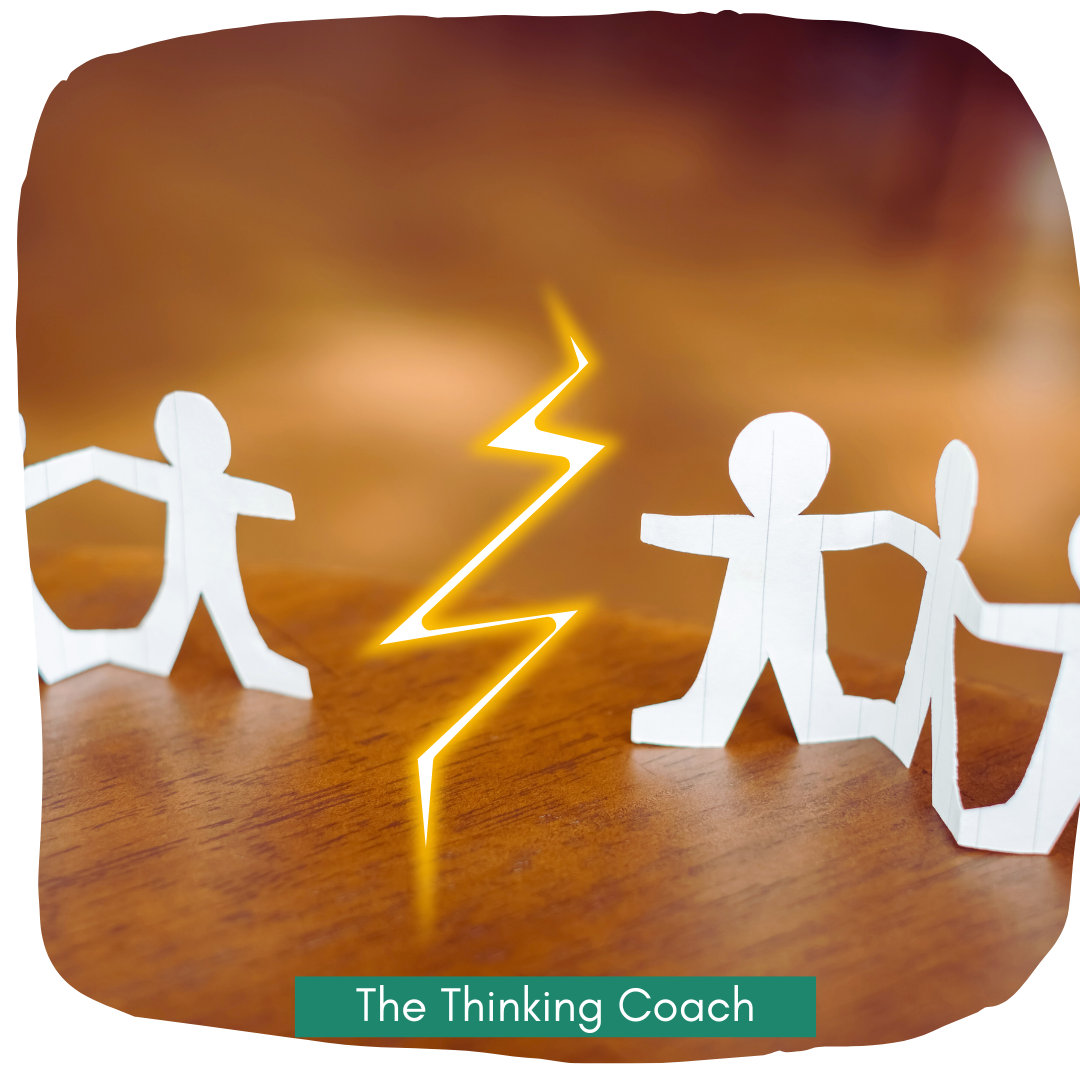
Throughout my career as a trainer, coach, and facilitator—though I prefer the term Agent of Change—I have worked with professionals across all levels of leadership, including individuals in highly influential positions. What I encounter repeatedly is not a lack of intelligence or experience, but something far more damaging: a widening leadership disconnect between those at the top and the people they are meant to serve.
Many leaders appear locked into outdated views and assumptions that no longer reflect present reality. In some cases, they operate inside a reality of their own making—one that is disconnected from the lived experience of their workforce. This gap creates misunderstanding, frustration, and ultimately dysfunction.
Often, I am invited to train management teams in specific “soft skill” areas such as strategic thinking, decision-making, communication, creativity, or team building. While these are all critical capabilities, the issue is that leadership frequently misdiagnoses the real problem. Training is applied narrowly, as if one isolated skill can fix a deeply interconnected human system.
Soft skills do not operate in silos. You cannot separate strategic thinking from decision-making, or communication from emotional intelligence. Yet leaders often attempt to do exactly that—addressing one area while ignoring the broader developmental ecosystem required for sustainable growth.
Short-Term Thinking, Long-Term Damage
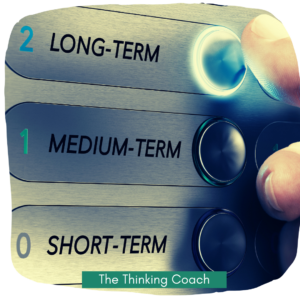
Another hallmark of leadership disconnect is the mismatch between investment and expectation. Leaders frequently make short-term investments in training while expecting long-term behavioral and cultural change. This is not only unrealistic—it is unprofessional.
Workforce development is complex. It requires time, consistency, reinforcement, and leadership participation. When leaders fail to understand this complexity, the result is predictable: internal conflict, declining morale, and a gradual erosion of trust.
Leaders often speak of “their people,” yet the lived experience of employees tells a different story. Instead of feeling cared for, many feel treated as commodities—resources to be traded, optimized, or replaced. This perception alone is enough to sever engagement and loyalty.
Ego Replacing Leadership

At the core of the leadership disconnect lies one dominant force: ego.
In too many organizations, ego has replaced leadership by example. This creates what I call Leadership by Title rather than Leadership by Merit. Ego-based leaders tend to believe their position alone grants them authority, insight, and correctness—without the need to demonstrate interpersonal skill, emotional intelligence, or humility.
Such leaders rarely ask questions. They seldom invite input. They protect their self-image at all costs. Decisions become about ego preservation rather than organizational health.
The consequences are severe:
- Systems become blocked
- Collaboration collapses
- ROI declines
- Productivity drops
- Turnover rises
- Trust evaporates
Ego deciding, and ego protecting itself, creates an environment where people disengage—not because they don’t care, but because they no longer feel seen, respected, or valued.
When Leadership Loses Its Meaning
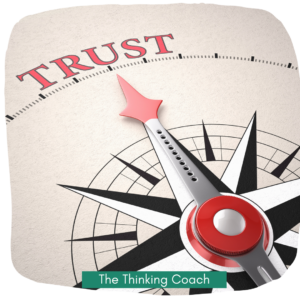
The prevalence of leadership disconnect has had a broader cultural impact. In many contexts—corporate, governmental, institutional—the word leadership itself has become associated with deception, coercion, and self-glorification. This has bred cynicism, mistrust, and disbelief.
When people no longer trust leadership, change becomes nearly impossible to manage effectively. You cannot demand commitment from people you have emotionally excluded. You cannot enforce trust. You cannot mandate respect.
Leadership and workforce must be connected by something deeper than authority.
The Five Pillars That Restore Connection

Healthy leadership systems are built on five essential pillars:
- Purpose
- Mutual respect
- Shared principles
- Work ethics
- Common understanding
A team is not a hierarchy of power—it is a group of people serving functions, one of which is leadership. When these pillars are missing, leadership becomes self-serving instead of people-serving.
This raises critical questions every leader must confront:
- Why is genuine connection so rare in leadership today?
- Why does leadership so often appear self-serving rather than service-driven?
- Why are mistrust and suspicion so widespread across organizations and institutions?
These are not rhetorical questions. They are foundational ones.
Rebuilding Leadership From the Inside Out

The leadership disconnect is not solved by better slogans, more policies, or tighter control. It is resolved through awareness, humility, and a return to leadership fundamentals, by example, one that is based on merit.
These questions—and the deeper realities behind them—are explored, challenged, and worked through in The Thinking Coach Leadership Training Seminars, and presentations, where leaders are invited to reconnect with their people, their purpose, and themselves.
True leadership begins where ego ends.
If your organization is experiencing disengagement, resistance to change, declining trust, or cultural fatigue, it may not be a performance issue—it may be a leadership disconnect.
I guide and help leaders and organizations ready to rebuild trust, restore connection, and lead with clarity and integrity.
The impact is real and long lasting when the needs are genuinely met with belief, dedication, and commitment, while practicalizing newly acquired pathways of leadership.
I am here in service to your genuine needs.

Eli Harari
The Life Coach for Professionals™
Pingback: 6 Soft Skills Leadership Principles: The Powerful Shift from Control to True Influence - The Thinking Coach